
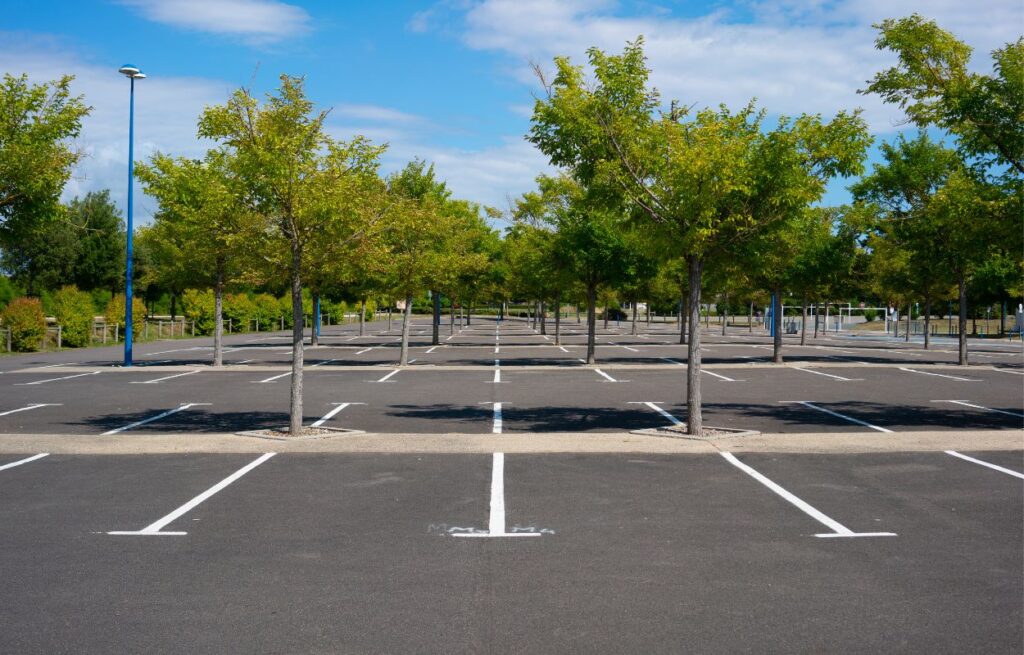
Retail center owners often focus their attention inward. Tenant mix, lease terms, interior renovations, and signage tend to dominate conversations about performance and retention. Parking lots, meanwhile, are frequently treated as background infrastructure. As long as cars can enter and exit, maintenance gets pushed down the priority list. Over time, that neglect becomes one of the quiet reasons retail centers struggle to keep tenants.
For retail properties in Campbell River, where weather, moisture, and daily traffic take a steady toll on exterior surfaces, parking lot conditions matter more than many owners realize. Parking lot cleaning Campbell River retail centers rely on is not just about keeping things looking nice. It directly affects tenant satisfaction, customer behavior, and long-term leasing stability.
PARKING LOTS SHAPE THE CUSTOMER EXPERIENCE BEFORE STORES DO
For retail tenants, the customer experience starts well before someone walks through their door. It begins the moment a customer pulls into the parking lot. If that first interaction feels frustrating, unsafe, or unpleasant, it sets the tone for the entire visit.
Dirty pavement, scattered debris, oil stains, and poorly maintained surfaces send a clear message. They suggest neglect and inconvenience. Customers may still shop, but their patience is lower and their impression of the center is already damaged.
Retail tenants feel the impact of this immediately. Complaints about parking conditions often land on store managers, even though the issue is outside their control. Over time, that frustration adds up and becomes part of how tenants evaluate whether the location is worth staying in.
DIRTY PARKING LOTS REDUCE FOOT TRAFFIC WITHOUT BEING OBVIOUS
Parking lot neglect rarely causes dramatic, immediate drops in traffic. Instead, it creates subtle friction that discourages repeat visits. Customers may choose to shop elsewhere next time without consciously identifying why.
Puddles, slippery surfaces, debris near walkways, and unclear markings all make parking less convenient. In bad weather, these issues become even more noticeable. People avoid places that feel annoying to access, especially when alternatives exist nearby.
Retail tenants depend on consistent foot traffic. When parking conditions quietly reduce visits, sales suffer. Tenants may blame competition or market conditions, but the underlying issue often starts outside in the lot.
SAFETY CONCERNS BECOME TENANT PROBLEMS
Parking lots are one of the most common locations for slip-and-fall incidents. Oil residue, gravel, uneven pavement, and standing water all increase risk. When lots are dirty, hazards are harder to spot and harder to manage.
Retail tenants worry about their customers getting hurt. Even if liability technically falls on the property owner, incidents still reflect poorly on the businesses operating there. Employees also have to navigate the same conditions every day, often early in the morning or late at night.
When tenants feel that parking conditions expose them to complaints, incidents, or negative experiences, confidence in management erodes. That erosion plays a major role in renewal decisions.
NEGLECT SIGNALS BROADER MANAGEMENT ISSUES
Tenants use visible cues to judge how a property is managed. A dirty parking lot is one of the most visible signals available.
When pavement is consistently dirty, drains are clogged, and debris is allowed to accumulate, tenants often assume other maintenance issues are being ignored as well. Even if interiors are maintained properly, exterior neglect creates doubt.
Retail tenants want stability. They want to know that problems will be addressed before they escalate. Parking lot cleaning Campbell River property owners schedule consistently shows tenants that management is proactive rather than reactive. That trust matters when leases come up for renewal.
PARKING LOT CONDITIONS AFFECT BRAND PERCEPTION
Retail tenants invest heavily in their brand image. Clean storefronts, displays, and signage are carefully curated to attract customers. A dirty parking lot undermines that effort instantly.
Customers do not separate the parking lot from the stores. They see the entire center as one experience. When exterior conditions feel unprofessional, it reflects on every tenant, regardless of how well individual spaces are maintained.
Tenants notice when their brand is being quietly damaged by factors they cannot control. Over time, they begin looking for locations where the environment supports, rather than undermines, their image.
POOR DRAINAGE CREATES RECURRING FRUSTRATION
In Campbell River, rain and moisture are constant challenges. Parking lots that are not cleaned regularly often develop drainage problems as debris blocks catch basins and water flow paths.
Standing water creates inconvenience and safety risks. Customers step around puddles. Vehicles splash pedestrians. Ice becomes an issue in colder months. These problems repeat over and over, not because of major design flaws, but because basic maintenance is missing.
Retail tenants hear complaints about these issues repeatedly. When the same problems persist season after season, tenants lose patience and confidence in management’s willingness to fix them.
WEEDS AND ORGANIC BUILDUP SIGNAL DECLINE
Weeds growing through cracks and organic buildup along curbs may seem minor, but they carry symbolic weight. They suggest that small problems are being ignored until they become bigger ones.
For retail tenants, this signals decline. A center that looks like it is slipping visually feels like a riskier place to invest time, staff, and marketing dollars.
Regular parking lot cleaning prevents organic material from taking hold and keeps pavement looking intentional rather than abandoned. That visual stability reassures tenants that the property is being actively cared for.
MAINTENANCE NEGLECT AFFECTS LEASING POWER
When existing tenants are unhappy, attracting new ones becomes harder. Prospective tenants visit retail centers with a critical eye. They imagine their customers navigating the space.
A dirty, poorly maintained parking lot raises concerns immediately. Even strong interior spaces struggle to overcome negative exterior impressions. Leasing conversations become harder, and concessions become more likely.
Parking lot cleaning Campbell River retail centers invest in supports leasing efforts by presenting the property as well managed and stable. That perception affects both tenant interest and negotiating power.
SMALL ISSUES TURN INTO BIG COSTS
Parking lot neglect is often justified as a cost-saving measure. In reality, it increases long-term expenses.
Dirt, sand, oil, and debris accelerate pavement deterioration. Drainage issues cause water damage. Minor cracks turn into major repairs. What could have been managed with regular cleaning eventually requires resurfacing or replacement.
Tenants notice when maintenance issues escalate instead of being prevented. That pattern reinforces the idea that the property is being managed reactively, which pushes tenants to look elsewhere.
TENANT RETENTION DEPENDS ON DAILY EXPERIENCE
Lease decisions are rarely based on one single factor. They are shaped by daily experience over time.
If employees struggle with parking conditions every day, if customers complain regularly, and if exterior issues never seem to improve, dissatisfaction builds quietly. When renewal time arrives, tenants remember those frustrations.
Parking lot cleaning Campbell River retail properties rely on removes many of these daily irritations. Cleaner lots make life easier for tenants, staff, and customers. That ease translates into longer tenancies.
PARKING LOT MAINTENANCE IS A SHARED RESPONSIBILITY IN TENANT MINDS
Even when leases clearly assign responsibility for parking lots to property owners, tenants still feel the impact personally. They deal with the consequences directly.
Because of this, tenants judge management by how parking areas are maintained. When those areas are neglected, it feels like tenants are being asked to tolerate problems that should not exist.
Consistent cleaning shows respect for tenant businesses and their customers. That respect goes a long way in maintaining positive relationships.
WHY RETAIL CENTERS OFTEN UNDERESTIMATE THIS ISSUE
Parking lots do not generate rent directly, so they are often deprioritized. Interior upgrades feel more tangible and more marketable.
However, parking lots influence almost every aspect of a retail center’s performance. They affect customer behavior, tenant satisfaction, safety, and long-term costs.
Once property owners connect these dots, parking lot cleaning Campbell River facilities schedule regularly becomes part of tenant retention strategy rather than an optional expense.
FINAL THOUGHTS
Retail centers rarely lose tenants overnight because of parking lot neglect. Instead, they lose them gradually as small frustrations accumulate and trust in management erodes.
Dirty parking lots affect customer experience, safety, brand perception, and daily convenience. Retail tenants feel those impacts directly, even if they do not control the solution.
Parking lot cleaning Campbell River property owners prioritize helps protect tenant relationships, support foot traffic, and preserve the long-term health of retail centers. Clean, well-maintained exterior spaces may not draw attention when done right, but neglect always does.
For retail properties focused on stability and retention, parking lot maintenance is not a minor detail. It is part of the foundation that keeps tenants in place.
Looking for service across Vancouver Island? See our Commercial Cleaning Services page or call (250) 268-7111 for a free estimate.